


February 03, 2026
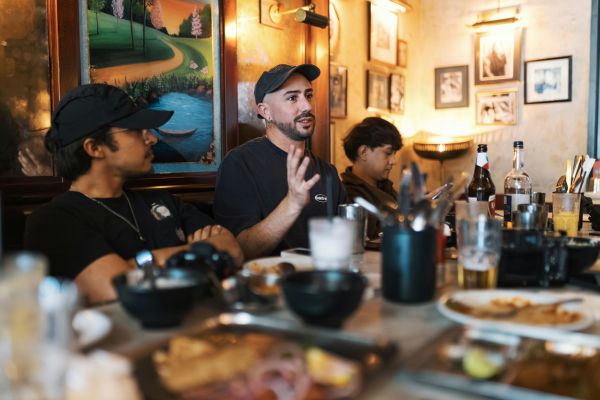
The start of the new year is often associated with reset and renewed routines for consumers. For restaurant owners, it can also signal a noticeable slowdown in traffic. After the holiday rush fades, many operators experience one of the quietest stretches of the year.
With the correct slow-season strategies in place, restaurants can increase traffic, boost off-peak business, and build long-term loyalty that carries over into busier months. Below are proven ways to turn slow periods into a strategic advantage.
5 Slow Season Strategies to Increase Restaurant Traffic
According to industry data, January and February consistently rank among the slowest months for restaurants, driven by a mix of post-holiday spending fatigue, colder weather, and shifting consumer habits. Guests cut back after December splurges, embrace Dry January, and often stay home during harsh winter conditions. While this seasonal dip can be frustrating, it also creates an opportunity.
1. Tap Into New Year’s Resolutions
The indulgent meals and festive drinks of the holidays often give way to health-focused goals in January. In fact, 22 percent of people say eating better is a top New Year’s resolution in 2026. Rather than a complete menu overhaul, introduce lighter, feel-good options that still deliver comfort and flavor.
Menu and beverage ideas to attract resolution-minded diners include:
- Healthy comfort foods: Think roasted vegetables, grain bowls, brothy soups, or lighter takes on classic favorites
- Gluten-free and plant-based options: These appeal not only to health-focused guests but also to those with dietary restrictions
- Zero-proof beverages: Mocktails, alcohol-free beers, and infused waters help capture Dry January participants without sacrificing check averages
2. Capture Seasonal Flavors and Limited-Time Experiences
Slow months are an excellent time to lean into seasonal creativity. Limited-time menus and specials create urgency, giving guests a reason to visit now instead of later. Seasonal ingredients are often cost-effective, helping protect margins during slower periods.
Boost traffic by promoting holidays or off-season menus:
- St. Patrick’s Day: with Irish-inspired dishes or themed drink specials
- Seasonal Menus: that add excitement during traditionally quiet months
3. Menu Specials: Offer Affordable, High-Value Options
When budgets are tight, diners are still willing to eat out, but they’re looking for value. Strategic menu specials allow you to deliver perceived savings without sacrificing quality or profitability.
- Lunch Specials: With the holidays over, kids back in school, and many employees returning to the office, lunch traffic presents a major opportunity. Offering fast, affordable, and satisfying lunch specials can drive consistent weekday volume.
- Value Meal Combos: Meal bundles aren’t just for fast food. Restaurants of all types can use value-driven combos to increase average order size while keeping prices approachable. Focus on high-margin, low-cost items to protect profitability while giving guests a deal they feel good about.
- Customization Options: Customization remains a major driver of consumer satisfaction. Create menus that give guests their choice of proteins, sides, or upgrades for a small fee.
4. Partner With Community Businesses
Restaurants play a central role in their local communities, making collaboration a powerful marketing tool. Partnering with nearby businesses helps expand your reach and reinforces your restaurant as a community hub.
Creative partnership ideas include:
- Co-hosted weekday happy hours: Featuring a local brewery or winery
- Providing catering or snacks: For retail open houses, art galleries, watch parties, or fitness studios
- Organizing a Sunday Funday block party: Where participating businesses offer specials, activities, or giveaways
5. Leverage Affordable Restaurant Marketing Tactics
Even the best promotions won’t succeed if customers don’t know about them. Fortunately, effective restaurant marketing doesn’t have to be expensive. Cost-effective ways to promote your slow season strategies include:
- Social media marketing: Highlight specials, behind-the-scenes prep, get in on trends, and showcase limited-time offers on platforms your audience already uses
- User-generated content: Encourage guests to tag your restaurant, share photos, or post reviews in exchange for small incentives
Keep Food Costs Low During Slow Months with CHEF’STORE
Stretch your budget without compromising quality by shopping at CHEF’STORE. Our wide selection of restaurant-quality ingredients and supplies helps you control food costs while still giving guests the flavors and value they’re looking for.
With convenient nearby locations and competitive pricing, CHEF’STORE makes it easier to protect margins, stay stocked, and prepare for busier seasons ahead.
