
|
Batch-Cooking Safety: What You Can Freeze and What You Can’t
March 25, 2026
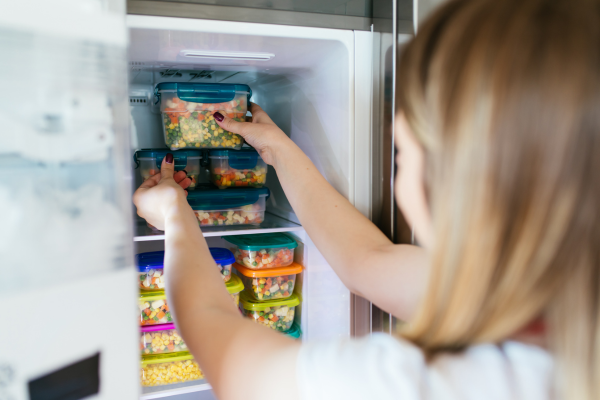
Meal prep is great for home cooks who want to maximize their bulk purchases and always have incredible eats on hand. Want to really double down on grocery savings while shaving off cooking time? Batch cooking is for you!
New to the concept? Get started with the basics of batch cooking and freezing meals below.
Batch Cooking 101: What You Need to Know
Batch cooking is a game-changer for busy home cooks. Excel at mealtimes with tips on freezing and thawing, including what can and can’t be frozen. Use this guide to freeze with confidence, reduce waste, and keep delicious home-cooked meals on hand all week long.
Freezing Tips: How to Preserve Flavor
Fight freezer burn and thawing-related food waste with these tips:
- Let food cool completely before freezing to prevent ice crystals and bacterial growth.
- Portion meals into single-serving containers for easy reheating.
- Store food in airtight, freezer-safe containers or bags to prevent freezer burn.
- Label each container with the name and date. Most meals are best if eaten within 2 to 3 months.
- Freeze liquids such as soups and sauces flat in freezer bags. It saves space and accelerates thawing.
- Thaw food in the refrigerator, microwave, or cold water. Do not thaw food on the counter.
- Reheat food to 165°F (74°C) in the microwave, oven, or on the stove to ensure it is safe to eat.
- Do not refreeze meals that have been completely thawed.
Need a Food Safety Rule Refresher? Download our Guide!
Putting Batch Cooking into Action
Now that you know the ins and outs of freezer techniques, the next step is making the most of your ingredients. There is a wealth of incredible foods that respond well to spending some time in the icebox. However, it’s good to recognize that some items don’t stand up to the chill.
Use this list of meal prep foods to inform your next grocery list.
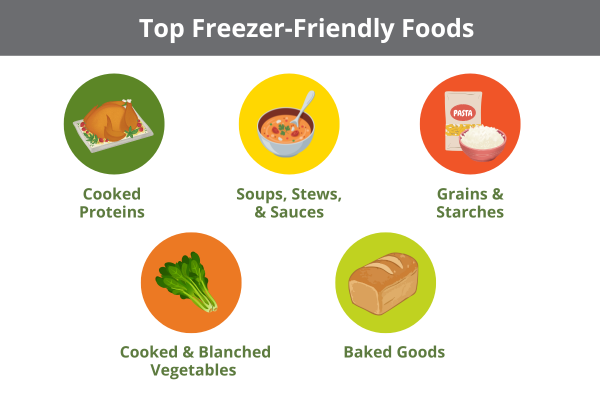
Top Freezer-Friendly Foods
Cooked Proteins
- Cooked chicken, beef, pork, and turkey (shredded, sliced, or diced)
- Meatballs, meatloaf, and burgers (fully cooked)
- Beans and lentils (cooked and cooled)
Soups, Stews, and Sauces
- Broth and stock
- Chili, stews, and curries
- Tomato-based pasta sauces
- Gravy and meat-based sauces
Grains and Starches
- Cooked rice, quinoa, and farro
- Mashed potatoes (best with added butter or cream)
- Baked pasta dishes like lasagna or stuffed shells
Cooked and Blanched Vegetables
- Carrots, peas, corn, green beans
- Spinach and kale (great for soups and smoothies!)
Baked Goods
- Bread, rolls, muffins
- Cookies and brownies (baked or unbaked dough)
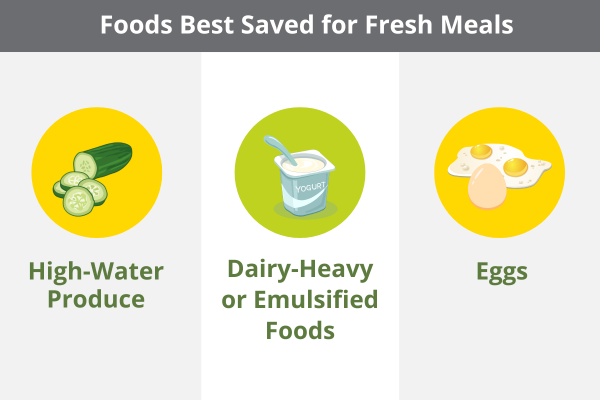
Foods Best Saved for Fresh Meals
Some foods are safe to freeze, but don’t thaw particularly well. Others are better kept out of the freezer entirely.
High-Water Produce
- Lettuce, cucumbers, celery
- Watermelon and citrus segments
Dairy-Heavy or Emulsified Foods
- Cream-based sauces
- Sour cream, yogurt, and soft cheeses
- Mayonnaise-based dishes (like potato or egg salad)
Eggs
- Raw eggs in shells
- Hard-boiled eggs (rubbery texture when thawed)
While these ingredients might not be best for the freezer, buying them in bulk can still reduce waste and help you save on your grocery bill.
Check Out Tips to Stretch Your Wholesale Food Buys Without a Freezer
Shop Where the Professionals Go
Managing a grocery budget while providing nutritious meals is no easy feat. Why not visit where professionals shop? At CHEF’STORE, home cooks can find the same quality meat and seafood, pantry items, and more! Plus, you can get all your groceries and cleaning supplies under one roof with no membership fee.
Visit one of our nearby locations or shop our quality products online and get cooking!