
|
Ground Beef FAQs: How to Store, Freeze, Thaw, Cook & Tell If It’s Bad
July 27, 2026
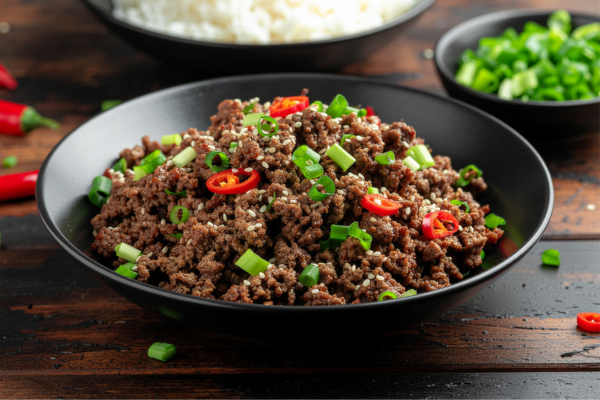
Ground beef is a staple in many home chefs’ meal planning. From juicy burgers to homey meatloafs, fragrant larb salad, and crockpot chili, ground beef is what’s for dinner. Understanding the basics of this versatile menu staple is the first step to creating unforgettable dishes.
Ground Beef Basics: Cuts, Blends & Uses
Ground beef is made by grinding whole cuts of beef, often from the chuck, round, or sirloin. The lean-to-fat ratio can vary by blend, making different types of ground beef better suited for burgers, meatballs, sauces, tacos, and more. A higher fat content typically adds more flavor and moisture, while leaner blends are a good choice for recipes where you want a lighter option.
Understanding the differences between ground beef blends can help you choose the right type for your recipe, whether you’re cooking for a crowd or preparing a family favorite.
Ground Beef Storage, Cooking & Food Safety
Knowing a few food safety basics can help you get the best results every time you cook. Below are answers to the most common questions about storing, handling, and cooking ground beef at home.
What Is the Safe Internal Temperature for Ground Beef?
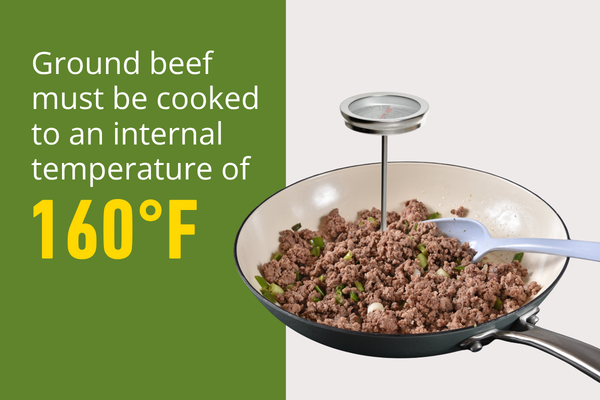
Ground beef must be cooked to an internal temperature of 160°F. This temperature helps kill harmful bacteria that may be introduced during the grinding process. Always use a professional-grade meat thermometer for temperature accuracy.
How Long Does Ground Beef Last in the Fridge?
Raw ground beef should be refrigerated as soon as possible after purchase to slow bacterial growth. According to the USDA, it will keep for 1 to 2 days in the refrigerator at 40°F or below. If you don't plan to cook it within that time, freeze it.
Cooked ground beef lasts 3 to 4 days in the refrigerator when stored at 40°F or below.
How Long Does Ground Beef Last in the Freezer?
Raw ground beef stays at its best quality for 3 to 4 months in the freezer. To help prevent freezer burn, wrap it tightly in freezer-safe packaging or store it in an airtight freezer bag. While ground beef remains safe to eat indefinitely, if kept continuously frozen at 0°F, its flavor and texture will gradually decline over time.
Can You Refreeze Ground Beef?
Yes. Ground beef can be safely refrozen if it was thawed in the refrigerator and has not been left at room temperature for more than two hours. Refreezing may affect texture and moisture, but it remains safe as long as you stick to proper thawing techniques.
How Do You Defrost Ground Beef Safely?
The safest way to defrost ground beef is in the refrigerator. Place the packaged beef on a plate or in a shallow container to catch any juices, then let it thaw for 24 to 48 hours, depending on the package size. If you need it sooner, you can thaw ground beef in cold water by keeping it in a leak-proof package and submerging it in a bowl of cold water, changing the water every 30 minutes until it's fully thawed.
You can also use the microwave's defrost setting if you're planning to cook the beef immediately afterward, since some areas may begin to cook during the thawing process. Avoid thawing ground beef on the countertop, as leaving it at room temperature can allow harmful bacteria to multiply.
Can You Cook Frozen Ground Beef?
Yes, you can cook ground beef directly from frozen without thawing it first. Expect it to take about 50% longer than thawed ground beef. As the meat softens during cooking, break it into smaller pieces so it cooks evenly and browns properly. Always use a meat thermometer to ensure the internal temperature reaches 160°F before serving.
How Can You Tell If Ground Beef Is Bad?
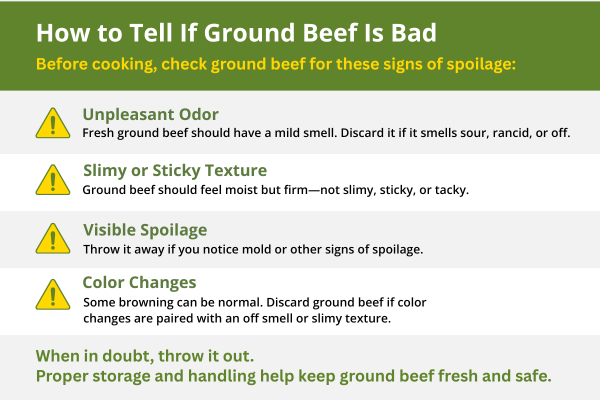
Ground beef may be spoiled if it has an unpleasant odor, a slimy texture, or visible signs of mold. Before cooking, check for these common signs that ground beef has gone bad:
- Unpleasant odor: Fresh ground beef should have a mild smell. Discard it if it has a sour, rancid, or otherwise off odor.
- Slimy or sticky texture: Ground beef should feel moist but firm, not slimy, sticky, or tacky.
- Visible spoilage: Throw away ground beef if you see mold or other signs of spoilage.
- Color changes: A brownish color inside the package does not always mean ground beef is bad, but it should be discarded if it is paired with an off smell or slimy texture.
When in doubt, throw it out. Proper storage and handling can help keep ground beef fresh and safe to eat.
How to Season Ground Beef Like the Professionals
The best-tasting ground beef is seasoned evenly, but because it needs to be fully cooked before tasting, it's important to season it thoughtfully from the start.
- Mix your seasonings before adding them to the ground beef. This helps distribute the flavors evenly and minimizes handling of the raw meat.
- Use clean hands or a mixing spoon to combine the seasonings with the beef gently. Avoid overmixing, which can make the meat tough.
- Before cooking the full batch, cook a small teaspoon-sized portion in a skillet until it's fully cooked. Let it cool slightly, then taste and adjust the seasoning if needed.
- Once you're happy with the flavor, cook the remaining ground beef according to your recipe.
Shop Ground Beef, Premium Meats & More at CHEF'STORE
Ready to stock up on quality meats for your next meal? Make CHEF'STORE your go-to destination for ground beef, premium cuts, and more, all at prices that help you get more from your food budget. From everyday favorites to specialty selections, you’ll find fresh, flavorful options handled with care from our store to your kitchen.
Visit one of our convenient locations or order delivery to bring quality meats straight to your door. With CHEF'STORE, you can shop with confidence knowing you’re getting great value, reliable quality, and the ingredients you need to make every meal a success.