


October 24, 2025
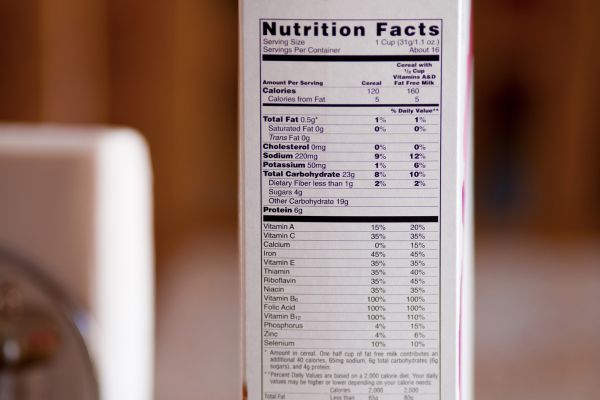
Food shopping can feel like a balancing act for budget-conscious parents and caregivers. Feeding a family means stretching every dollar while putting healthy, satisfying meals on the table. Flashy packaging and convenience items can be tempting, but they aren’t always the best deal, nutritionally or financially. The good news? Mastering food nutrition labels is easy! Read on to get insights and shopping tips.
Your Guide to Understanding Nutrition Labels
Initially, nutrition labels may seem intimidating, but they are a powerful tool to help families shop wisely. Plus, when combined with bulk buying, they allow you to compare items, spot the best deals, and ensure that large-quantity purchases align with your family’s health goals. Here are four categories to look for on your food labels.
1. Serving Size: Serving size is the key to understanding a food label. It tells you the amount all the nutrition facts are based on. If you eat more or less than that amount, you can quickly adjust the numbers to match what’s really on your plate.
2. Calories: The calorie count on a nutrition label is like the “energy points” you get from each serving. It's a crucial factor in balancing what you eat with your daily needs and health goals, whether maintaining, losing, or gaining weight. By understanding and checking labels, you can make smarter choices that align with your goals and keep your meals satisfying, making you more in tune with your body and health.
If you aren’t sure what your ideal caloric intake should be, visit MyPlate to help calculate. As a rule of thumb, always check in with your health care professional before making any major dietary changes.
3. Nutrition: When you glance at a nutrition label, think of it as a quick guide to what’s really in your food. Common items listed on most nutritional labels are:
- Fats: This number adds up all the fats in the product. Saturated and trans fats are the ones to limit, since diets high in these fats have been linked to heart disease. Unsaturated fats, on the other hand, are beneficial when eaten in moderation. They have been shown to lower bad cholesterol while boosting good cholesterol.
- Cholesterol: Found mainly in animal-based foods, cholesterol isn’t all bad, but high amounts can be a concern. Choosing lean meats, skinless poultry, and low-fat dairy can help keep levels in check.
- Carbs: Carbohydrates are your body’s main source of energy. Focus on nutrient-rich carbs like fiber-packed foods and whole grains, and limit less healthy carbs that are high in added sugars.
- Protein: Essential for building and repairing your body, protein is important at every meal. Good sources include meat, eggs, beans, fish, and nuts.
4. Daily Value Percentages (DV): These percentage amounts reveal how much one serving contributes to your daily needs. According to the US FDA, a 5 percent DV or less means the food is low in that nutrient. 20 percent or more means it’s a high source. For nutrients you want less of—like saturated fat or sodium—look for lower numbers. For nutrients you want more of—like fiber, calcium, iron, and key vitamins (such as A, C, D, and B-complex)—aim for the higher percentages to help meet your daily requirements.
Tips for Health-Conscious Family Food Shopping
Bulk buying works best when you combine savings with smart label reading. Keep these strategies in mind:
- Check the ingredient list: Foods with mostly recognizable ingredients are usually less processed.
- Compare products: Two similar items can have very different fat, sugar, or sodium levels. For example, two brands of peanut butter may look the same, but one could have significantly less added sugar and sodium. By comparing labels, you can make the healthier choice for your family.
- Look for fiber: Aim for at least 25–30 grams of food-based fiber daily.
- Balance your cart: Mix lean proteins, whole grains, healthy fats, and produce to round out your meals.
Grocery Shopping Made Easy at CHEF’STORE
At CHEF’STORE, parents and caregivers can stock up on high-quality products in bulk, saving money while keeping their families well-fed. From fresh produce to pantry staples and freezer essentials, you’ll find everything you need to create nutritious meals your family will love. Feeling confident about the foods in your kitchen is easier when you know you’re getting quality ingredients at a great value.
Visit a CHEF’STORE location near you, or have your healthy groceries delivered right to your door, and make family food shopping simple, smart, and satisfying.
DOWNLOAD OUR INFOGRAPHIC: How to Read Food Nutrition Labels
