


February 18, 2026
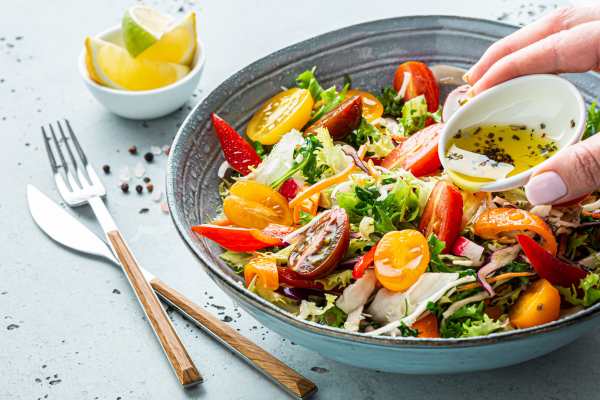
Spring menu planning is one of the most energizing times of the year for restaurants. As guests shake off winter and seek lighter, fresher flavors, operators have a built-in opportunity to refresh their offerings and boost profitability. A thoughtfully planned spring menu doesn’t just look good on the plate; it supports smarter food cost management, smoother kitchen operations, and a stronger overall restaurant menu strategy.
Spring Restaurant Menu Strategy: Best Practices
Spring menu planning is more than a seasonal refresh. It’s a chance to set the tone for a profitable year ahead. By choosing high-margin ingredients, leveraging smart seasonal ingredient sourcing, and optimizing prep processes, restaurants can create menus that are fresh, efficient, and guest-approved. With the right strategy in place, spring becomes the perfect season to boost margins, streamline operations, and keep diners coming back for more.
Focus on High-Margin Ingredients That Shine in Spring
High-margin ingredients are essential to any profitable menu, and spring offers plenty of options that deliver big flavor without high costs.
.png)
Seasonal vegetables like asparagus, peas, carrots, radishes, cabbage, and leafy greens are widely available and versatile, making them ideal building blocks for a variety of dishes.
- Fresh herbs are another spring staple that offers excellent margins. A small amount goes a long way, instantly elevating dishes with color, aroma, and brightness.
- Pantry-friendly items such as eggs, rice, grains, pasta, and legumes also perform well in spring menus, allowing operators to balance more premium proteins.
The key is cross-utilization. Designing dishes that share ingredients across appetizers, entrées, and sides helps reduce waste and simplify ordering. For example, roasted spring vegetables can be featured in a grain bowl, served as a side, or folded into a frittata. When ingredients work overtime, food costs stay in check and kitchens run more efficiently.
Use Seasonal Ingredient Sourcing to Your Advantage
Seasonal ingredient sourcing is one of the most effective tools for managing costs, improving quality, and increasing revenue. Spring produce is typically at its peak in terms of flavor and availability, often translating into better pricing and more consistent supply. Plus, restaurants focusing on seasonal flavors reduce food costs by 20 to 30 percent.
- Partnering with a reliable wholesale supplier gives restaurants access to a wide range of seasonal items, often from regional farms. Many suppliers also offer value-added products, such as pre-washed greens or pre-cut vegetables, which can save time and labor during busy service periods. One-stop shopping further simplifies purchasing by allowing operators to source produce, proteins, and dry goods in a single order.
- Flexibility is also essential during spring menu planning. Availability and pricing can shift quickly, so building menus that allow for simple substitutions helps maintain consistency without disrupting operations. Swapping one spring green for another or adjusting garnishes based on market conditions keeps menus fresh while supporting food cost management.
Streamline Prep for Efficiency and Consistency
Efficient prep techniques are fundamental as restaurants head into busier months. Spring menus often feature lighter, faster-cooking items, which makes advance prep even more valuable.
- Batch-prepping sauces, dressings, grains, and roasted vegetables can significantly reduce ticket times and labor strain.
- Blanching vegetables ahead of service helps preserve color and texture while allowing for quick finishing during peak hours.
- Pickling, marinating, and puréeing seasonal ingredients are also great ways to add variety while extending shelf life.
Design a Spring Menu Guests Will Love
A successful restaurant menu strategy blends seasonal creativity with familiar favorites.
- Spring menus perform best when they offer lighter proteins, fresh salads, grain bowls, flatbreads, and shareable plates. These items align with warmer-weather dining habits and often carry strong margins.
- Limited-time spring features are another smart move. They create excitement, encourage repeat visits, and allow operators to test new ideas without long-term commitment.
- Highlighting seasonal ingredients in menu descriptions reinforces freshness and quality, helping guests feel confident in their choices.
Spring Into Smarter Menu Planning with CHEF’STORE
Spring is the perfect season to refresh your menu, boost profitability, and delight guests with fresh, seasonal flavors. By focusing on high-margin ingredients, leveraging smart sourcing, and streamlining prep, restaurants can create spring offerings that are as efficient as they are irresistible.
CHEF’STORE makes it easier to bring your spring menu vision to life. With a wide selection of fresh, seasonal produce, pantry staples, proteins, and value-added items all under one roof and at competitive wholesale prices, you can source everything you need in a single stop.
Visit your local CHEF’STORE today and stock up on the ingredients that will help your spring menu shine.