


August 26, 2026
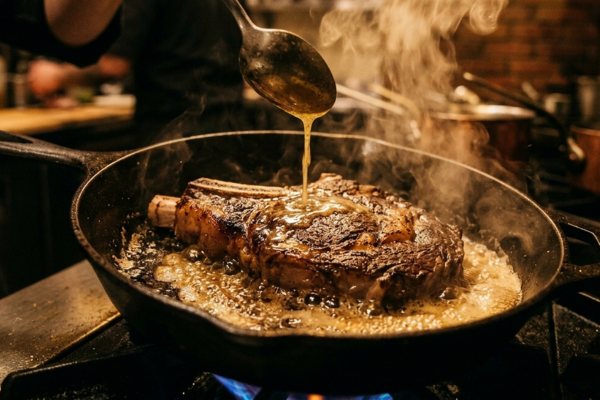
Beef tallow is making a comeback for its rich flavor, versatility, and appeal to value-conscious operators. Whether you're frying potatoes, searing steaks, or roasting vegetables, this traditional cooking fat adds depth of flavor that's difficult to match with many vegetable oils.
Learn what beef tallow is, how it's made, and the best ways to use it in your home kitchen.
What Is Beef Tallow?
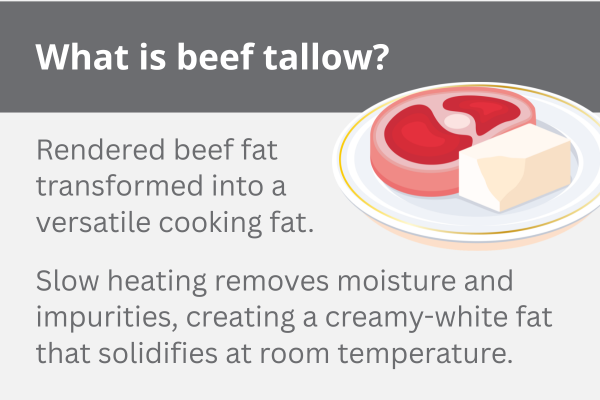
Beef tallow is rendered beef fat that's been slowly heated to remove moisture and impurities. Once strained and cooled, it becomes a creamy-white cooking fat that's solid at room temperature.
A longtime kitchen staple before vegetable oils became common, beef tallow is once again popular with home cooks who appreciate its rich flavor and high smoke point.
Beef Tallow Benefits for Home Meals
Whether you're making weeknight dinners or weekend comfort food, beef tallow brings extra flavor to every bite. It offers:
- Rich, savory flavor
- High smoke point (around 400°F) for frying and searing
- Crispy texture for fries, hash browns, and roasted potatoes
- Excellent performance in cast iron cookware
- Long-lasting versatility for everyday recipes
Is Beef Tallow Healthy?
Like butter, olive oil, and other cooking fats, beef tallow can be part of a balanced diet when enjoyed in moderation. It contains saturated and monounsaturated fats, along with naturally occurring fat-soluble vitamins.
The best cooking fat depends on your nutritional needs and personal preferences, but many people choose beef tallow because of its cooking performance and flavor.
Tallow vs. Lard: What’s the Difference?
Beef tallow and lard are different cooking fats:
- Beef tallow comes from cattle and has a rich, beefy flavor with a firm texture at room temperature. It's an excellent choice for frying, roasting, and searing.
- Lard is rendered pork fat with a milder flavor and softer consistency. It's commonly used in baking because it creates flaky pie crusts and tender biscuits.
If you're looking for bold flavor in savory dishes, beef tallow is often the better choice.
What Is Beef Tallow Used For?
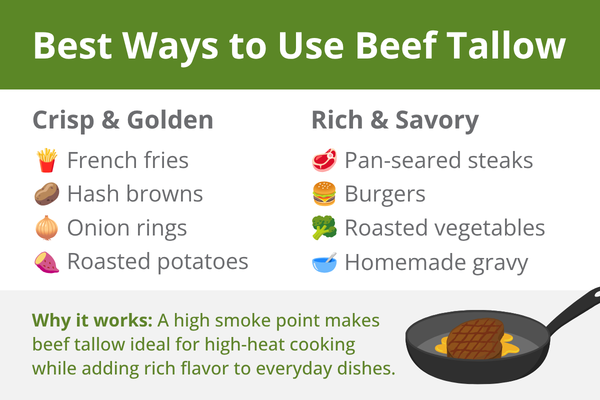
Beef tallow shines in recipes that benefit from high heat and rich flavor. Try using it for:
- French fries
- Hash browns
- Onion rings
- Roasted potatoes
- Pan-seared steaks
- Burgers
- Roasted vegetables
- Homemade gravy
Its high smoke point makes it an excellent alternative to many cooking oils.
How to Render Beef Tallow at Home
Making beef tallow at home is simple.
- Start with beef fat, often called suet or beef trimmings, and cut it into small pieces.
- Heat the fat over low heat in a heavy pot, slow cooker, or smoker until it melts completely.
- Strain the liquid through a fine mesh strainer or cheesecloth, then pour it into clean jars.
Once cooled, it's ready to cook with. Store beef tallow in an airtight container in the refrigerator for several months or freeze it for longer storage.
You can also purchase ready-to-use beef tallow if you prefer to skip the rendering process.
Try This Easy Beef Tallow Recipe
For an easy introduction to cooking with beef tallow, make crispy roasted potatoes. Toss baby potatoes with melted beef tallow, salt, pepper, garlic powder, and fresh rosemary. Roast at 425°F until golden brown and crisp, then finish with flaky sea salt and chopped parsley. Serve alongside grilled steak or roasted chicken for a simple, satisfying meal.
Find Quality Ingredients at CHEF'STORE
Whether you're trying beef tallow for the first time or stocking your pantry with everyday ingredients, CHEF'STORE has everything you need. Shop quality beef, fresh produce, poultry, cooking oils, baking essentials, and more. Visit your local CHEF'STORE or shop online for convenient pickup or delivery.