


How Restaurants Can Manage Dietary Restrictions Without Breaking Budget by Buying Wholesale
Back PrintNovember 11, 2025
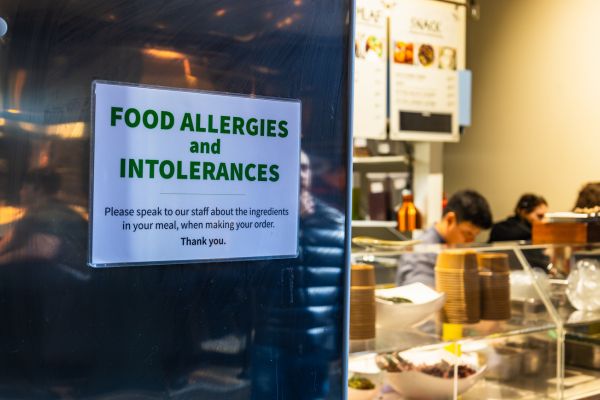
Today’s restaurant industry faces balancing two key priorities: serving guests with dietary restrictions while keeping food costs in check. Diners increasingly expect gluten-free, dairy-free, or plant-based options. Roughly 33 million Americans have at least one food-related allergy and follow strict meal guidelines for health and safety. In addition to medical needs, some diners follow diets for personal and religious reasons, so having a variety of menu options is crucial to reach a larger customer base.
These specialty ingredients, however, often come with higher price tags. Balancing inclusivity and profitability may seem daunting for restaurants, but there’s a practical solution: buying wholesale.

Understanding Dietary Restrictions
Before diving into cost-saving strategies, it’s essential to understand what dietary restrictions are and how they impact restaurant menus. A dietary restriction is avoiding specific foods due to allergies, health conditions, religious practices, or personal ethics.
Here are the most common dietary restrictions restaurant operators encounter:
- Dairy and Lactose
- Gluten
- Peanuts and Tree Nuts
- Vegetarian and Vegan Diets
- Kosher and Halal
- Shellfish
Creating an inclusive menu that considers these needs enhances guest safety and builds customer loyalty and trust.
The Cost Challenge: Specialty Ingredients Add Up
Specialty ingredients like gluten-free breads, plant-based proteins, or dairy alternatives can significantly raise food costs, posing a challenge for many restaurants. However, by adjusting your sourcing strategy and leveraging wholesale buying, you can reduce those costs without compromising quality, providing relief to your financial management.
How Buying Wholesale Helps Restaurants Serve Everyone
Wholesale sourcing isn’t only reserved for large restaurant chains. Independent eateries, cafés, and catering businesses can all take advantage of bulk purchasing. Here’s how it helps keep dietary-friendly menus both affordable and effective.
1. Significant Savings on Specialty Ingredients
Wholesale suppliers buy premium ingredients from established producers in larger quantities and pass their negotiated savings down to restaurant operators. This means access to gluten-free grains, vegan cheeses, nut-free alternatives, and other specialty ingredients at a lower cost.
2. Consistent Quality and Reliable Supply
Buying in bulk ensures steady access to fresh, high-quality ingredients. Wholesale suppliers maintain strict freshness and temperature standards, so your allergen-free, plant-based, or Halal-certified items are always consistent. Consistency helps restaurants maintain menu integrity, which builds guest trust and satisfaction.
3. Smarter Inventory Management
Tracking numerous dietary-specific ingredients can be complicated. Bulk buying simplifies this process by consolidating vendors and streamlining purchasing cycles. You’ll reduce waste, monitor usage trends more easily, and keep popular menu items in stock.
4. Flexible Options for All Restaurant Sizes
Wholesale doesn’t mean overspending or overstocking. The best suppliers offer flexible order sizes with no minimums, making it easier for small and mid-sized restaurants to buy what they need, whether gluten-free flour or oat milk.
5. Sustainable and Cost-Efficient Operations
Bulk purchasing reduces excessive packaging and the number of deliveries your restaurant receives. This means less packaging waste, fewer delivery fees, and a more eco-friendly operation, something today’s guests value highly.
Creating a Dietary-Inclusive Restaurant Menu
Once you’ve established a cost-effective sourcing plan, focus on designing an inclusive and efficient menu.
- Label Menu Items Clearly: Mark dishes that are gluten-free, dairy-free, vegan, or nut-free to help guests make confident decisions.
- Train Staff Thoroughly: Knowledgeable servers can accurately communicate ingredient details, allergy risks, and dietary options.
- Repurpose Ingredients: Avoid over-purchasing by using versatile ingredients across multiple dishes.
- Offer Customizable Options: Design flexible base dishes, like salads or grain bowls, that guests can modify to meet their dietary needs.
Managing dietary restrictions doesn’t have to break your restaurant’s budget. By buying wholesale, operators can secure high-quality specialty ingredients at lower costs, reduce waste, and deliver a dining experience that welcomes every guest.
Make Every Guest Feel Valued, Affordably with CHEF’STORE
In today’s competitive dining landscape, inclusivity is more than just good hospitality. It’s a smart business strategy. Partnering with CHEF’STORE means quality ingredients at competitive prices, giving restaurants the edge to balance affordability with customer preferences.
Save time on shopping by getting top ingredients delivered directly to you, or visit any of our convenient locations.